Mutter und heiliger Gral

«Womit wir wieder beim TV gelandet sind.»
Lonelygirl15 – eine Kunstform
Das Internet hat sich von einem Vernetzungstool zu einer von Algorithmen geprägten Plattform serieller Inhalte entwickelt. Am ...
Immer mittwochs, 20.30 Uhr
Musikwissenschaft auf dem Fahrrad
Dieser Text verbindet meine beiden grössten Leidenschaften: die Musik und das Fahrradfahren. Die eine habe ich zum Beruf ...
Wen würden die Gilmore Girls wählen?
Die HKB-Forscher Arno Görgen und Eugen Pfister zeigen am Beispiel von Gilmore Girls, wie die vermeintliche ...
100 Jahre alt werden
«Der Spielfilm macht mich zum Autor»
Im schriftlich geführten Interview erläutert Benedikt Eppenberger, wie Serien durch neue Distributionsformen, Abomodelle und ...
Die «Wahrheit» liegt in der Serie
Naturwissenschaftliche Erkenntnis entsteht selten durch eine einzelne Beobachtung. Erst Wiederholung, Vergleich und ...
Spielregeln in Ökonomien der Kunst
Limited Editions reagieren in Kunst und Wirtschaft durch bewusste Verknappung auf das Bedürfnis nach Exklusivität und ...
Serie für Kunstsüchtige mit Skandal-Wiederholungszwang
Mit Unsicherheit produktiv umgehen
Förderverein Chance: Talent soll entscheiden – nicht das Budget
Der im Mai 2026 gegründete Förderverein Chance unterstützt Musik- und Theaterstudierende der Hochschule der Künste ...
Die Peripherie der Typografie
Leo Dick
Pierina Walther
Solist*innen-Diplomkonzert 2026
Master Specialized Music Performance – Oper
Ruth Diaper, Père
Master Specialized Music Performance – Oper
Der Studiengang Oper – das Schweizer Opernstudio der Hochschule der Künste Bern – stellt sich vor: schriftlich kurz hier und in der Realität mit Tönen, Szenen, Werken und Aufführungen in Biel/Bienne, manchmal auch anderswo.
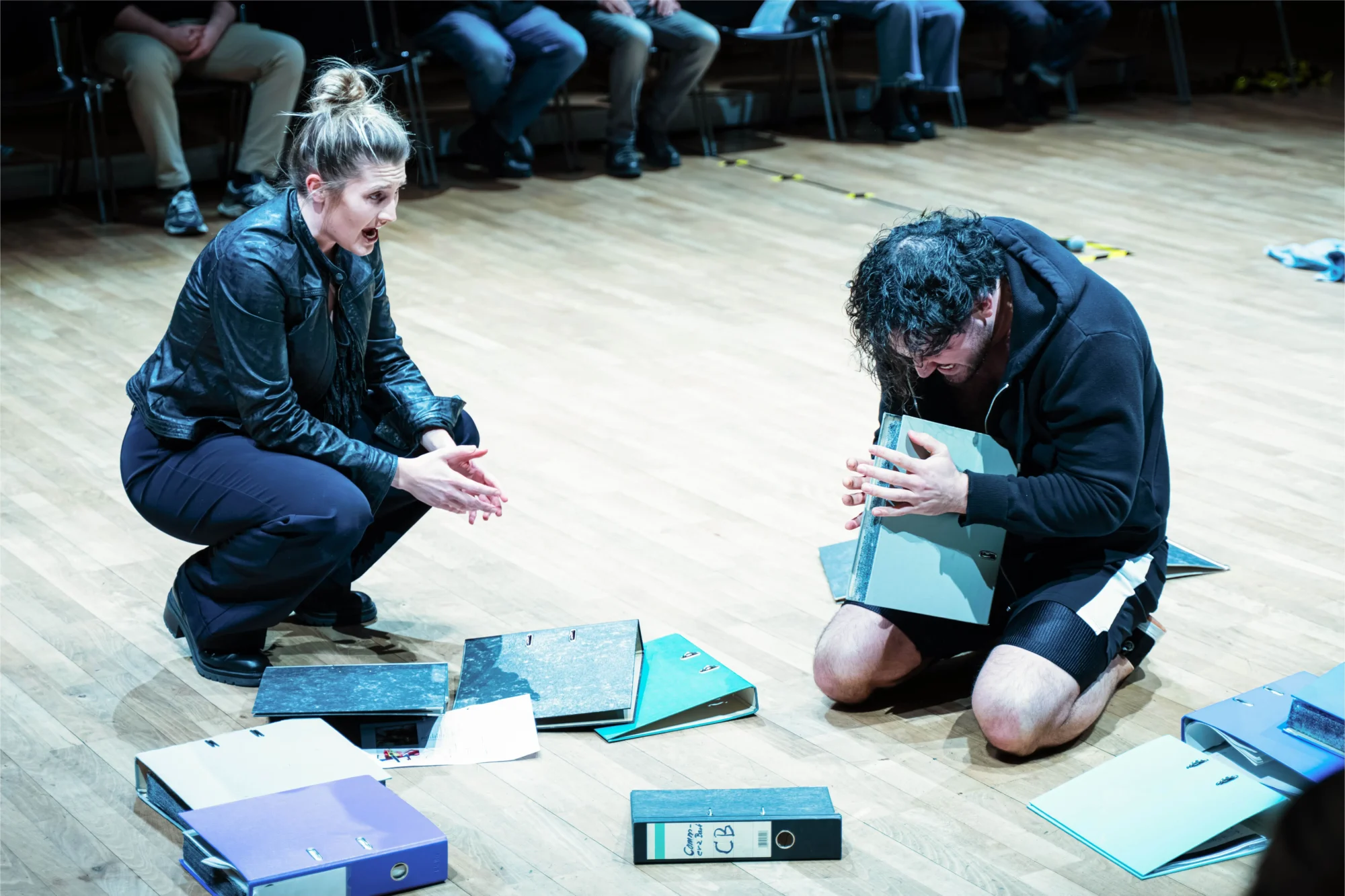
Die Bühne steht im Zentrum der Aufmerksamkeit: Der darstellerische Unterricht und die entsprechenden Vorbereitungen, die musikalische Erarbeitung verschiedener Partien in Opernwerken, ausführliche gemeinsame Proben im Ensemble ebenso wie Gesangsunterricht, Textarbeit, Schauspiel- und Bewegungstraining sowie das persönliche Lernen – all diese kleinen wie grossen Zwischenschritte der Studierenden zielen auf die Bühne. Aber was heisst Bühne? Das Schweizer Opernstudio gibt bewusst unterschiedliche Antworten. Damit motiviert der Studiengang seine hochbegabten Studierenden aus aller Welt, während des Studiums Verschiedenes auszuprobieren und künstlerisch auszuloten – nicht eingeengt auf den relativ kleinen Kanon der berühmtesten Opernwerke. Das Studi-enjahr 2025/2026 umfasste eine politisch konzipierte Opernproduktion (In Prison, nach einem Werk der Komponistin Ethel Smyth), mehrere kreative eigene Projekte der Studierenden – darunter Der Kaiser
von Atlantis, verfasst im Ghetto Theresienstadt – sowie eine Kammeroper, die mit Livemalerei verbunden war.
Der Schwerpunkt «eigenes Projekt» an der HKB ist in der Ausbildungslandschaft Oper weltweit einmalig. Das Spektrum reichte von einem zeitgenössischen Musiktheater-projekt auf kleinstem Raum bis hin zu einer Opéra-bouffe von Jacques Offenbach, die mitten in der Welt der Börse und des Geschäftemachens angesiedelt war. Höhepunkt war das Dramma giocoso La Frascatana auf der Bühne des Theaters Biel, begleitet von einem erfahrenen Opernorchester. Die Interaktion von Oper mit Malerei, politischen Fragestellungen, zeitgenössischem Musiktheater, heiterer Operette und einem frühklassischen Bühnenwerk umreissen das Spektrum dessen, was «Bühne» bedeuten kann – vielseitig und herausfordernd. Mit Spannung dürfen die kommenden Bühnenproduktionen der Studierenden im neuen Studienjahr ab September 2026
erwartet werden.
Das zweijährige Masterstudium findet weitgehend in Biel/Bienne statt, am Standort «Burg» mitten im Herzen der Altstadt, und führt die Studierenden auch an die Opernhäuser Bühnen Bern und TOBS (Theater Or-chester Biel Solothurn), wo sie auf der Basis von Vorsingen Partien in Opernwerken als künstlerische Praktika übernehmen. Eine Kooperation mit allen Musikhochschulen in der Schweiz erweitert den Kreis der Gesangsdozierenden, bei denen die Studierenden lernen können. Im September darf der Studiengang insbesondere die neuen Studierenden, aber auch neue Dozierende und Mitarbeitende begrüssen. Somit wird Neues entstehen – und darüber kann ein weiteres Mal in der HKB-Zeitung informiert werden.
Interview with London-born student Chloé Underwood
Chloé, what brought you from London to the HKB?
Switzerland felt like the ideal place to immerse myself in European opera. Its four national languages help me improve my language skills, and its proximity to Germany and France broadens my audition opportunities. I was also drawn to the HKB’s excellent coaches and professors. And of course, it is a beautiful place to live, with mountains and lakes nearby – quite different from London.
How do you deal with the high level of international diversity in the program?
I see the diversity as a real benefit. It has taught me a lot about other cultures and musical traditions. As international students, we support one another closely, especially with languages and different ways of expressing meaning.
In your opera studies so far: What was the most difficult challenge you faced? And what came most easily to you?
The biggest challenge was finding the right balance in my first semester: living abroad, managing daily life in another language, working on the Opernskizzen and doing my internship. With support from teachers and fellow students, I settled in well. What came easily was practicing: the many rooms at the Burg make it easy to work for as long as needed.
What is most important to you when you’re rehearsing for an opera production?
For me, it is important to be open and vulnerable with colleagues. Opera rehearsals can be challenging, so I need an environment where I can test musical and theatrical ideas and explore different ways of portraying a character.
You are now halfway through your studies. What personal goals do you have for the second half?
I am entering my third semester. I want to build a strong audition package of four to eight arias, collaborate on a concert program combining different cultures, and stay open to as many opportunities and auditions as possible.
You contributed an interview and synopsis for the program booklet of In Prison. What was it like to be involved both on stage and dramaturgically?
Combining dramaturgy with performing was very rewarding. It gave me deeper insight into my character and helped me contribute to the direction of the Opernskizzen as a whole. Writing the text for the opening scene also helped me grow as an artist.
Do you already have plans for your own stage project in the coming academic year?
I am developing several ideas with political and social themes, while keeping an English twist. The overall aim is to take a lesser-known female opera character and bring her story to the public, especially after portraying women oppressed by male dominance.
Rehearsals, classes, and performances are often venues for criticism, evaluations – and perhaps even know-it-all attitudes. As a singer, how do you deal with criticism in the arts, on stage, and during rehearsals?
I try to see criticism as advice. Teachers and colleagues usually want to help you develop, and as an artist I can decide what to take on. Over time I have learned that I am the one who ultimately decides where my voice should go, which helps me deal with opinions in a positive way.
What advice would you give to applicants for the HKB opera program?
Always challenge yourself – whether by moving abroad, tackling the hardest passage first, trying a new sport or learning a language. Artists often work in vulnerable situations; the more we face them, the more confidence we gain. The HKB is a safe place to try out different artistic choices.
Which opera and which role would you absolutely love to perform on stage? And which opera and which role feel the most distant or alien to you?
As a soprano, I would love to sing Gilda or Susanna. They are different characters, but both go after what they want and do not let men stand in their way. More distant characters can be especially exciting because they require detailed work. Vocally I would love to sing Mimì, though dramatically I may be closer to Musetta; playing Mimì would broaden my musical identity.